✓
Describe it once
Explain what you're seeing and smelling one time, and get connected with a contractor who handles attic mold cleanup and moisture-source corrections.
Serving Columbus, Ohio & surrounding areas
Calls answered around the clock
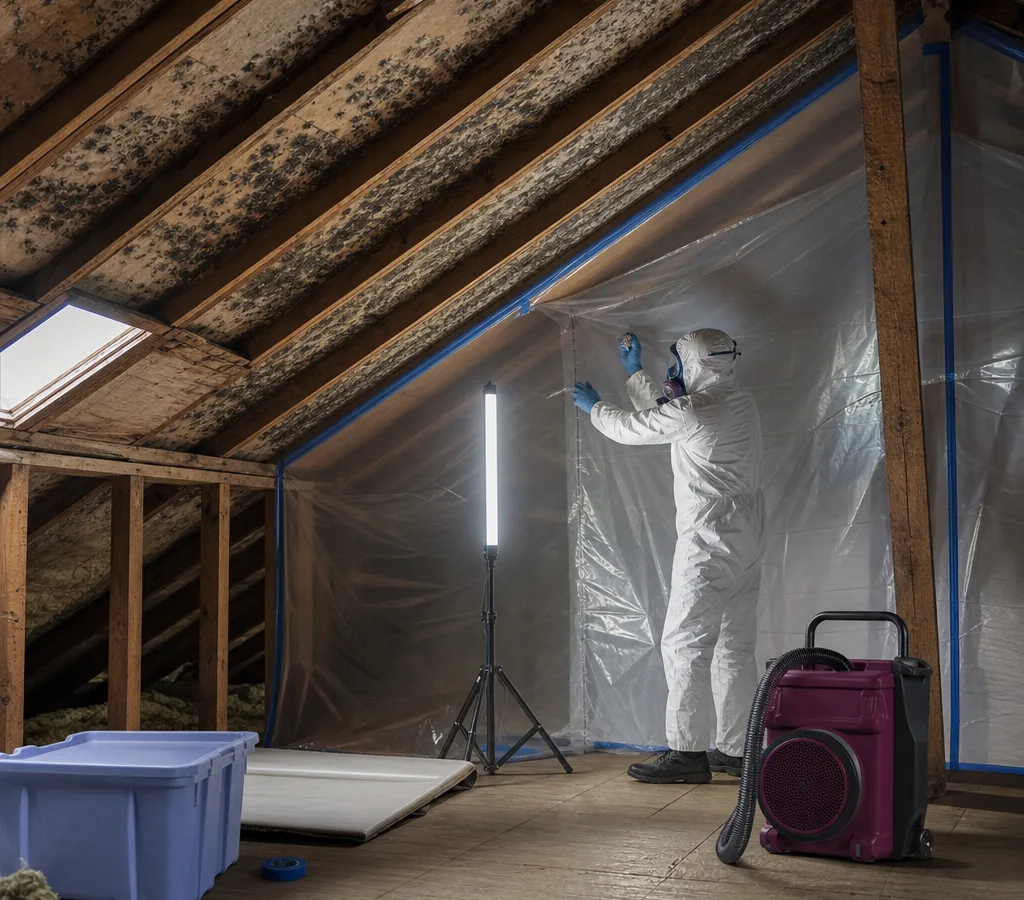
Attic mold removal · Columbus, Ohio
Describe what you're seeing once and we'll connect you with a local contractor who handles attic mold cleanup, odor issues, and moisture-source fixes.
Growth removal and moisture correction
Attic mold is usually a moisture problem first, and a cleanup problem second. In Columbus, OH, attic mold shows up often after seasonal humidity swings and winter condensation, especially when warm indoor air leaks into a cold attic and water collects on the underside of the roof deck. The right fix addresses both the growth and the conditions that let it start.
Not sure this is the right service? The Columbus mold removal overview explains how inspection, containment and cleanup fit together, and the same number reaches us either way.
If you're searching for attic mold removal Columbus Ohio, you're probably dealing with one of these signs:
A contractor typically breaks the job into a few parts:
Confirm what's happening and why: Expect a walkthrough of the attic to map where growth is concentrated and to look for moisture drivers like air leaks, ventilation imbalance, roof leaks, or ducting problems.
Protect the living space: Access routes and work areas are staged so debris and disturbed material stay contained. If insulation has to be moved, it's handled to keep dust controlled.
Remove or treat affected material: Depending on the surface and severity, the contractor may use HEPA vacuuming, damp wiping, abrasion such as soda blasting or wire brushing on framing and sheathing, and then apply an appropriate coating or sealant when it fits the plan. The goal is to remove contamination rather than just cover it.
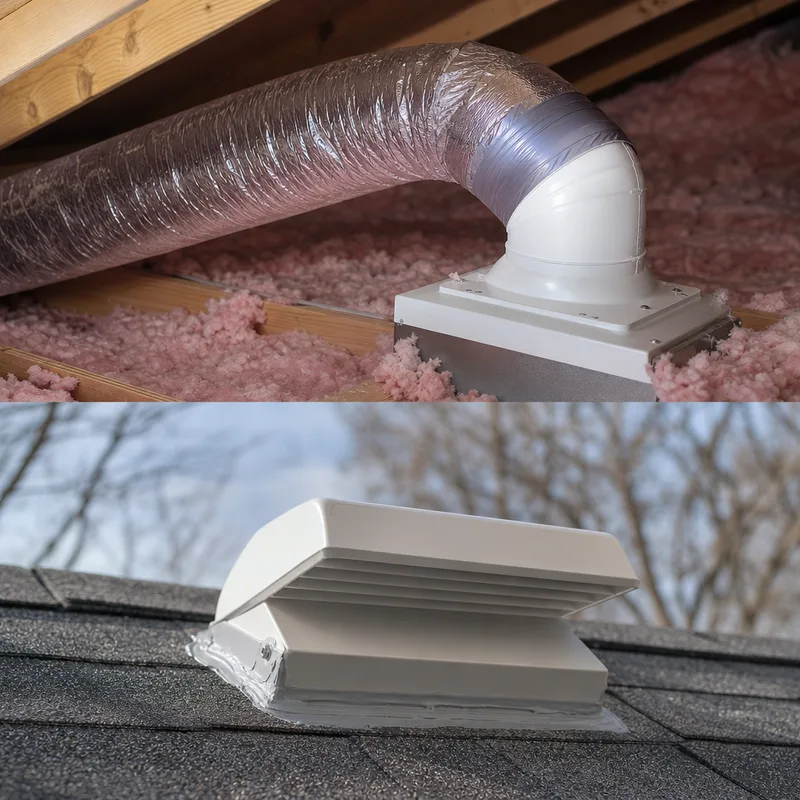
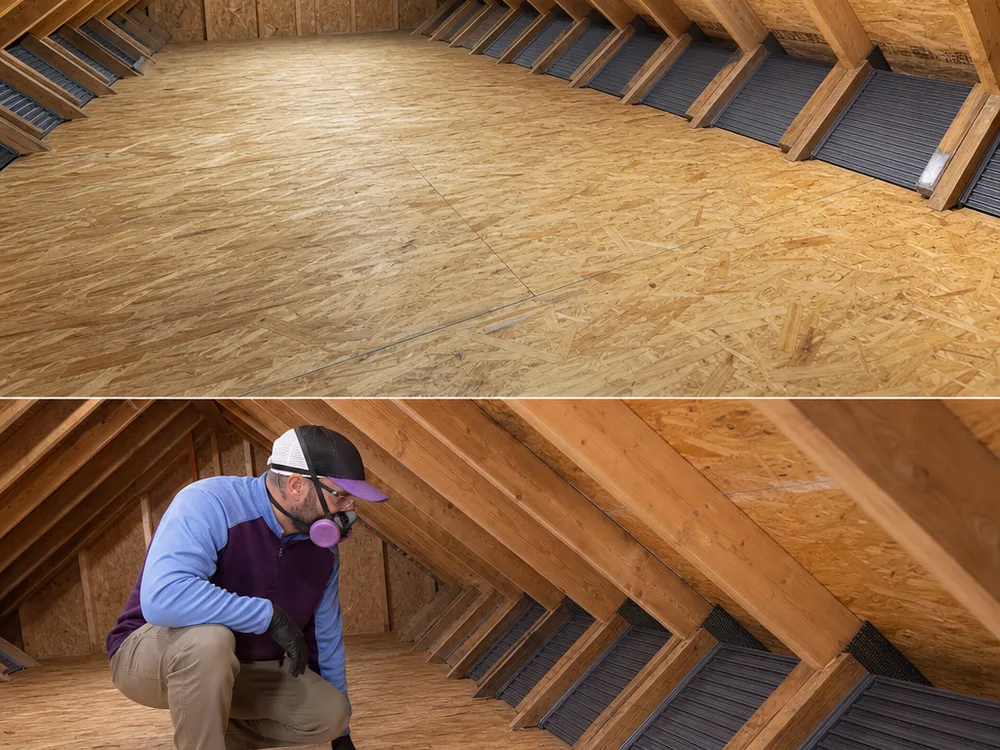
Fix the source conditions: This can include air sealing around penetrations, correcting bath fan exhaust routing to the exterior, balancing intake and exhaust ventilation, and confirming that soffit vents aren't blocked by insulation.
Because mold in an attic can be connected to overall air movement in the house, cleanup and moisture control can make a noticeable difference in odors and comfort when done correctly.
We don't perform the work ourselves. Mold Removal Columbus OH is a referral service that connects you by phone with a local contractor who can inspect the situation and explain the right scope for your attic.
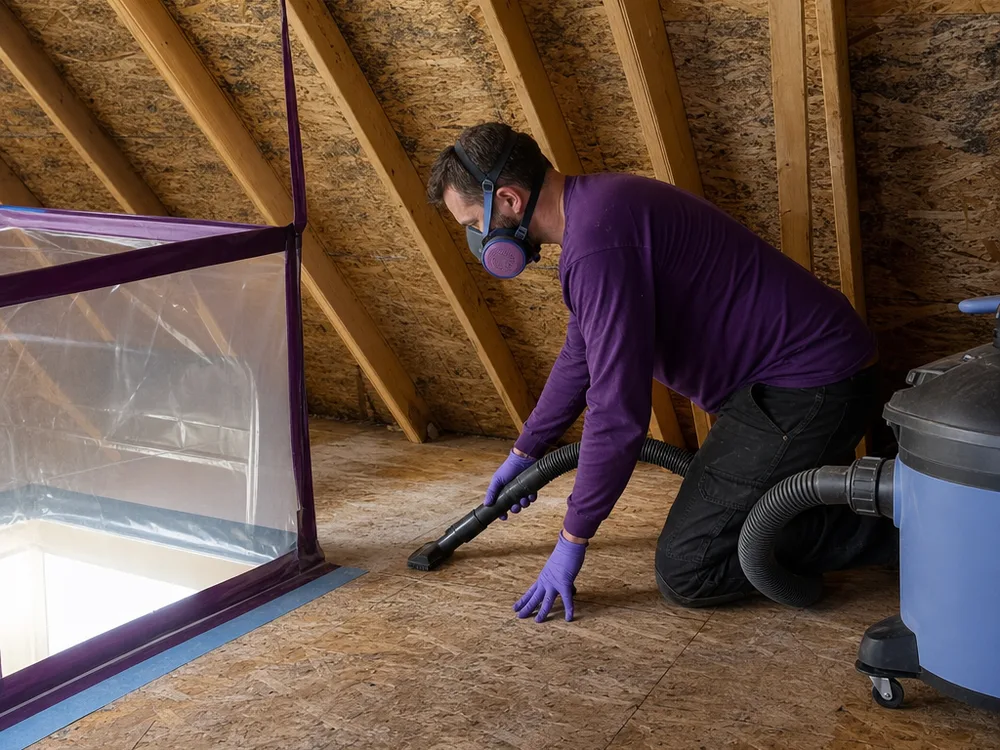
One-call local referral
Explain what you're seeing and smelling one time, and get connected with a contractor who handles attic mold cleanup and moisture-source corrections.
Columbus homes span older vented attics and newer builds with more complex rooflines; the contractor you speak with can talk through what's typical for your style of home.
Ask what surfaces will be cleaned, what will be removed, what will be sealed, and what has to change to prevent repeat growth.
Some attics need targeted cleaning near a bath fan discharge; others need broader remediation plus air sealing or ventilation corrections.
You speak directly with the contractor, get their recommendations, and decide whether to proceed.
From first details to post-work review
You describe where the mold is, any odors, and whether you've had roof leaks, bathroom fan issues, ice dams, or recent insulation work. We then connect you with a local contractor who takes it from there.
The contractor checks the roof deck and framing, looks for active leaks, verifies bath fan ducting terminates outdoors, and notes ventilation paths along with blocked baffles or compressed insulation.
The contractor explains how dust and debris will be controlled, what cleaning methods will be used on wood surfaces, and whether any insulation needs to be moved, protected, or replaced.
After cleaning, the contractor should walk you through what was done, what was corrected to address moisture, and what to watch for over the next season, including odors, condensation, and bathroom fan performance.
If you've found attic mold or you're tracing a musty smell, a short phone call is usually enough to match you with a local contractor who can confirm the cause and recommend the right cleanup scope.
Growth, cleaning and source correction
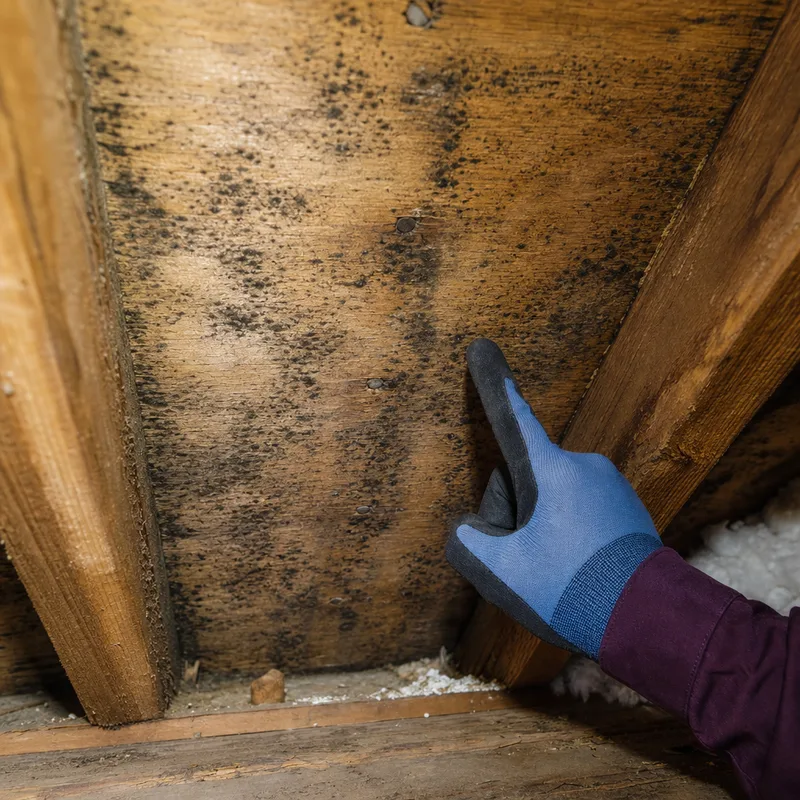
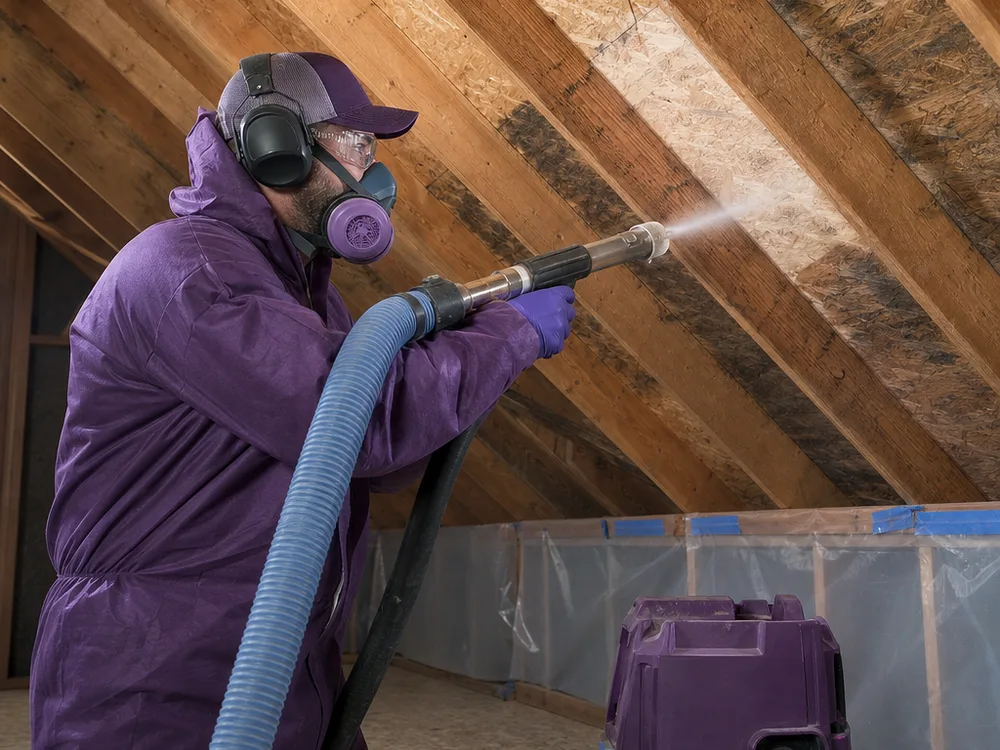
One call simplifies the next step
The contractor can discuss visible growth, odors, insulation, ventilation, and likely moisture sources with you. You ask questions about the cleanup scope and decide what happens next.
Common questions
A roof leak usually creates localized staining and wet materials near a penetration or valley, while condensation tends to be more widespread on the underside of the roof deck, often worse on the north-facing side or near eaves. A contractor will look for active wetness, water tracks, rusty nail tips, and patterns near bathrooms or the attic hatch to separate leak-driven moisture from air-leak or ventilation issues.
A solid attic mold remediation plan includes both cleaning and correcting the moisture driver that allowed growth. In many Columbus homes that means addressing bathroom fan exhaust routing, air sealing warm-air leaks into the attic, and making sure soffit intake and ridge or gable exhaust are moving air the way the attic was designed.
Limit time in the attic and avoid disturbing insulation or brushing against contaminated wood, because that can kick particles into the air. If you need to check something, wear an appropriate respirator and avoid running box fans that could push attic air into the living space; the contractor can advise on safe access when you describe what you're seeing.
The most useful details are where the growth is, whether there's a musty odor indoors, any recent roof work or known leaks, and how the attic is ventilated. Photos from the attic hatch can also help the contractor understand severity before the visit.
Insulation may be moved back to access eaves and soffit areas, and it may be removed if it's contaminated or preventing ventilation. The contractor you speak with should explain what will happen to existing insulation, how dust will be controlled, and whether baffles or air sealing will be part of the scope.
If mold is visible on attic wood, many homeowners start with an inspection focused on the source and remediation plan rather than lab results that do not change the cleanup approach. If there's a dispute, a health-driven concern, or you need documentation, the contractor can discuss whether testing makes sense for your situation.
You describe the attic issue once over the phone, and we connect you with a local contractor who handles attic mold removal work in the Columbus area. You then speak with that contractor directly about inspection details, scope, and scheduling.
One call starts the conversation
Tell us what you've found in the attic and what you've noticed in the house, and we'll connect you with a local Columbus-area contractor who can inspect, explain the likely moisture source, and handle the attic mold removal.