✓
Describe the loss once
Instead of repeating the same story to multiple companies, you explain what happened one time and get connected with a local contractor who takes on this type of job.
Serving Columbus, Ohio & surrounding areas
Calls answered around the clock
Water damage restoration service · Columbus, Ohio
Describe what happened once and we'll connect you with a local contractor who handles water damage cleanup, drying, and restoration in the Columbus area.
Extraction, drying and repair
Water damage restoration in Columbus usually means more than cleaning up a puddle. The goal is to stop the source, remove water, dry the structure, prevent secondary damage, and rebuild the affected finishes.
Not sure this is the right service? The Columbus mold removal overview explains how inspection, containment and cleanup fit together, and the same number reaches us either way.
A contractor may be dealing with a burst supply line, a failed water heater, a clogged drain that overflowed, a dishwasher leak that ran unnoticed, or seepage after heavy rain. In older parts of Columbus, you also see moisture problems where water migrates into plaster walls, under hardwood, or into old subfloors and is hard to dry without opening things up.
A typical scope can include:
If the water loss involved contaminated water, such as a toilet overflow or a backed-up drain, the contractor will typically treat it as a higher-risk cleanup with additional containment and disposal steps.
When you call Mold Removal Columbus OH, you're not scheduling a crew from us. You're describing the situation once so we can connect you with an independent local contractor who handles Columbus water damage restoration work and can walk you through the next steps.
One-call local referral
Instead of repeating the same story to multiple companies, you explain what happened one time and get connected with a local contractor who takes on this type of job.
Different materials dry differently. A contractor who routinely works in the Columbus area is used to older plaster, hardwood over subfloors, finished basements, and newer open layouts.
You speak directly with the contractor we connect you with, hear their plan for drying and repair, and decide whether to move forward.
A good contractor will tell you what needs to be moved, what may be removed, where drying equipment may be staged, and what access they need.
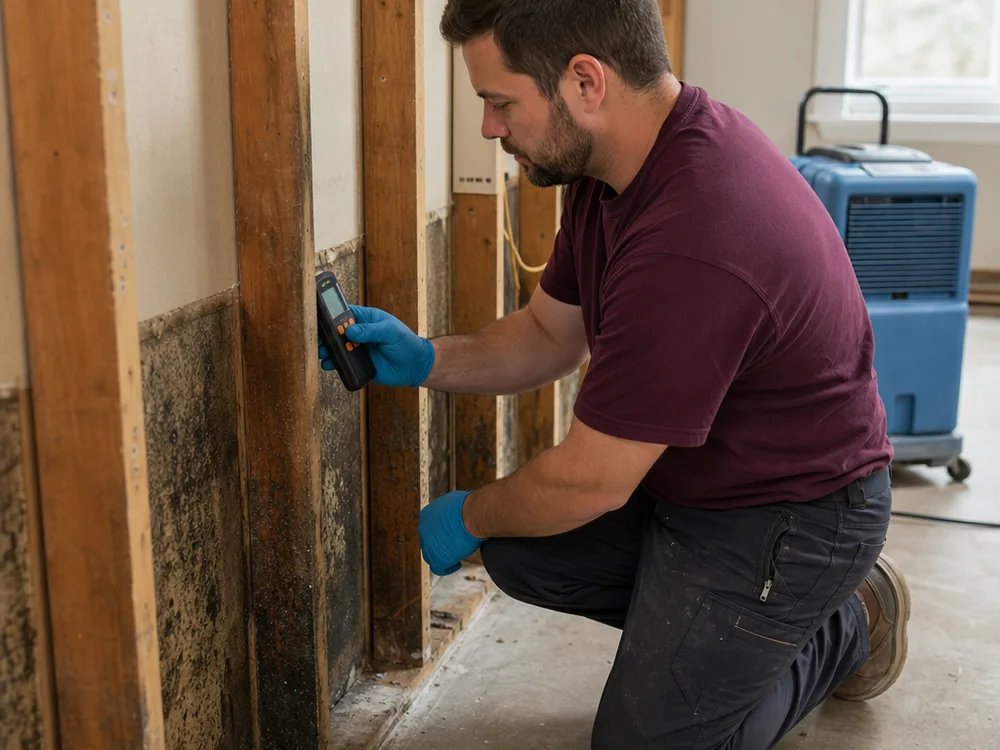
Drying is typically monitored with moisture readings from materials like framing and subfloors so the rebuild does not start while hidden areas are still wet.
From active water to completed repairs
If the source is active, the first priority is stopping it. If water reached outlets, appliances, or a panel, a contractor may recommend shutting power to affected areas until things are checked.
The contractor identifies where water traveled, including under flooring and into wall cavities. Moisture meters and, in some cases, thermal imaging help outline what needs drying and what needs removal.
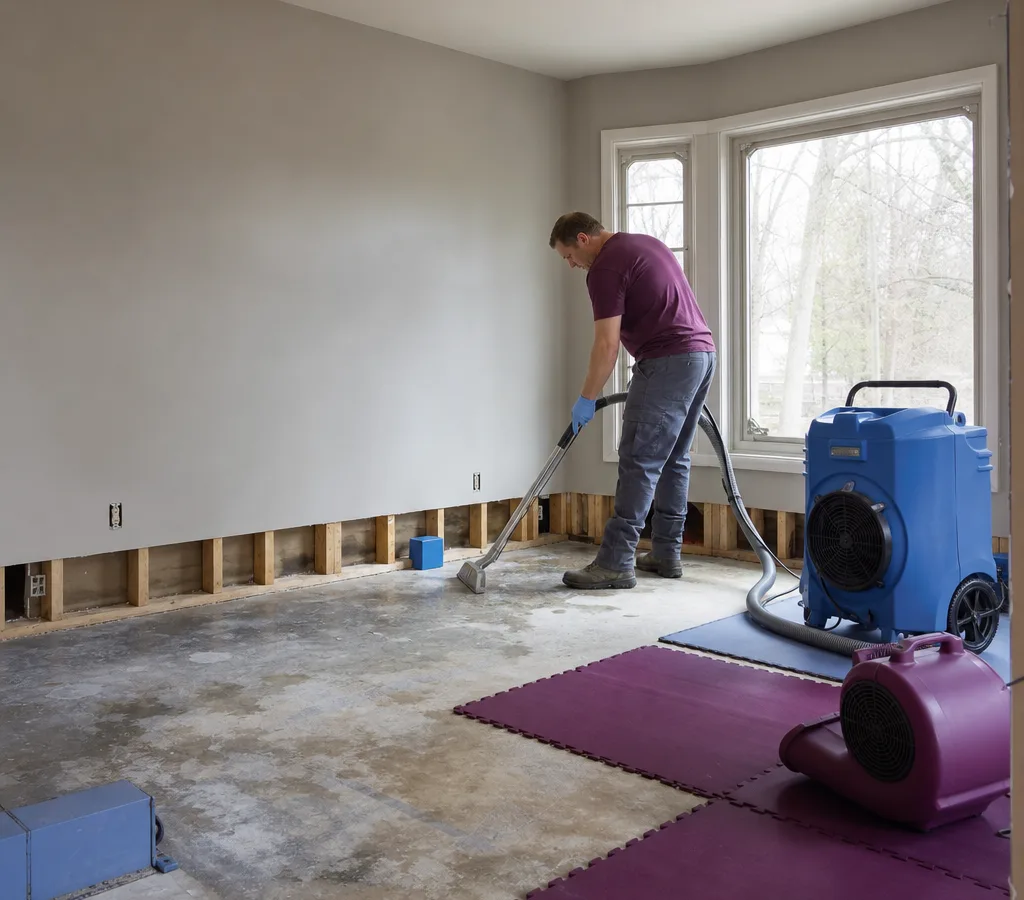
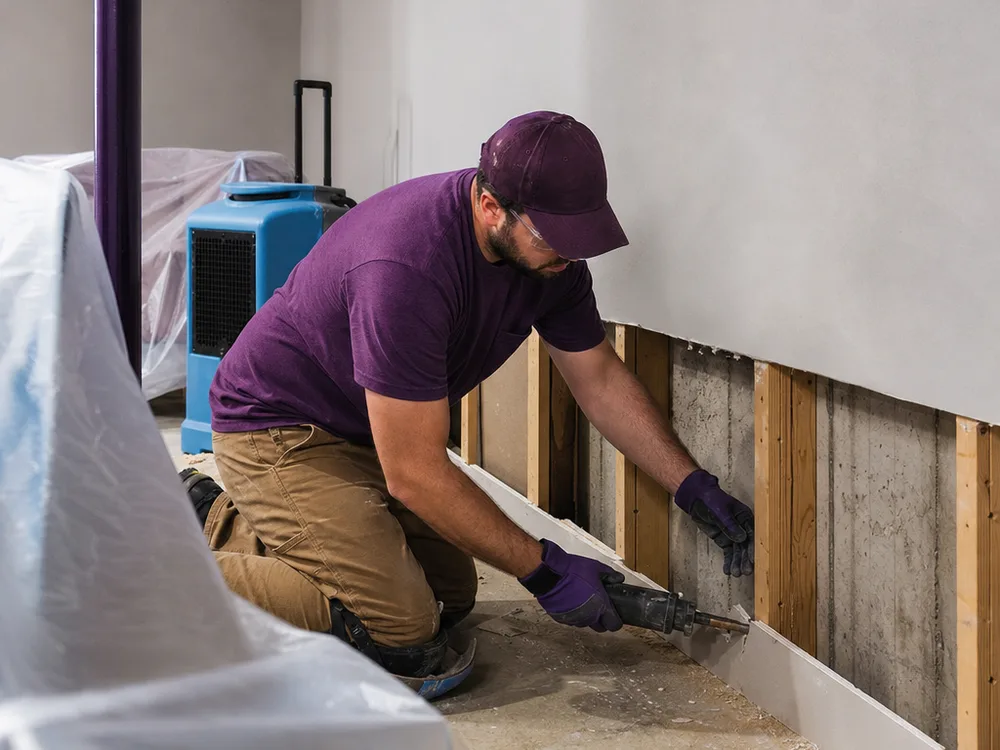
Standing water is extracted. Wet materials that trap moisture, often pad, baseboards, swollen particleboard, or saturated drywall, are removed in a controlled way to open up the structure.
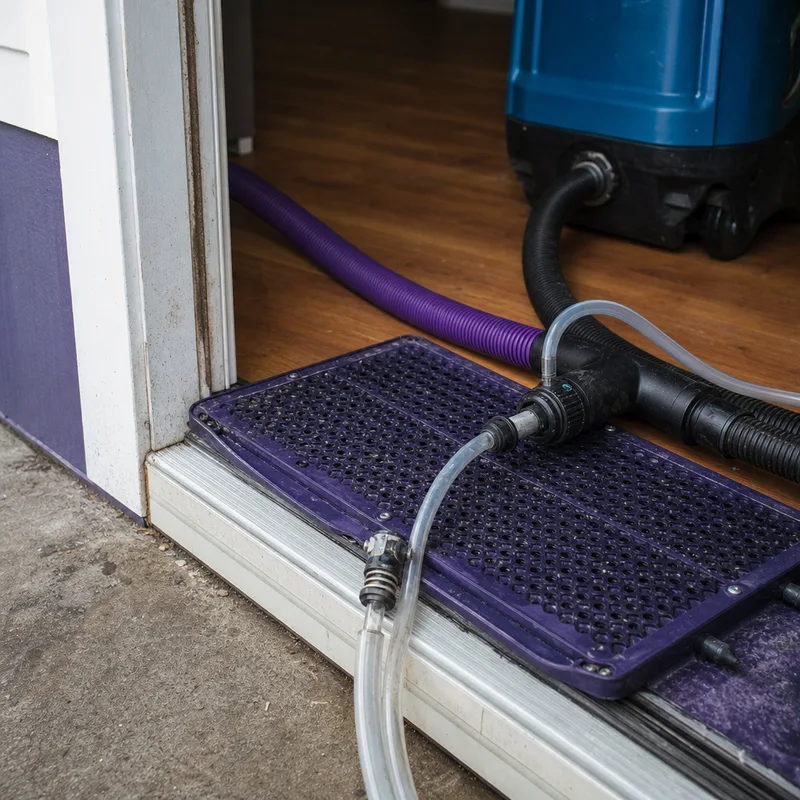
Air movers and dehumidifiers are placed to create airflow across wet materials. The contractor monitors readings and adjusts equipment placement as drying progresses.
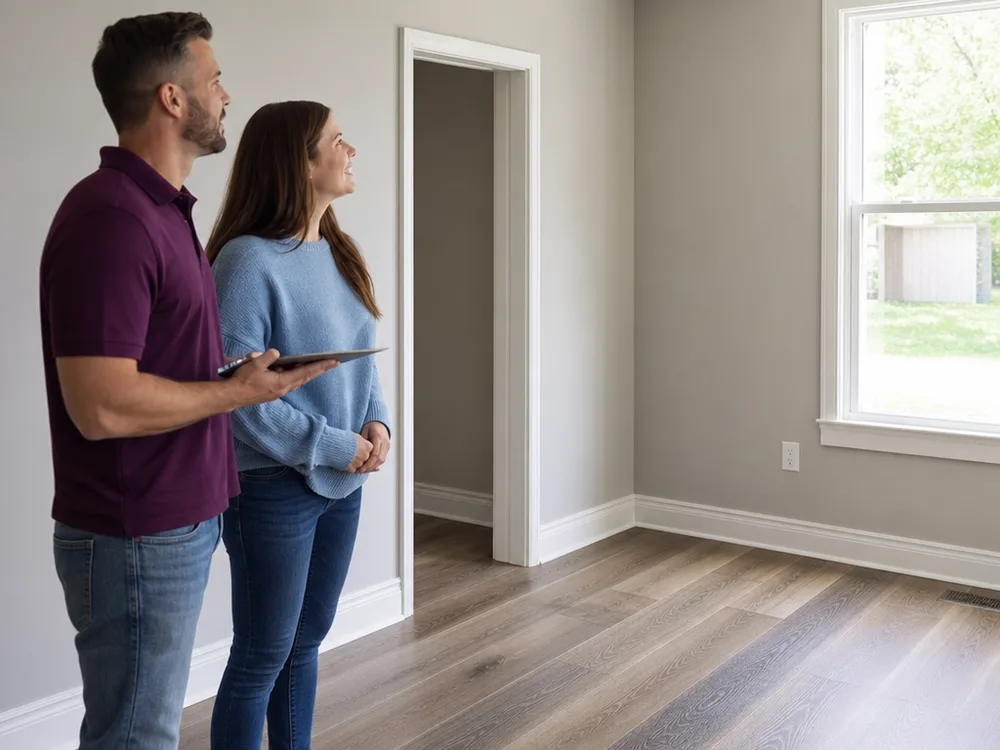
After drying targets are met, surfaces are cleaned and deodorized as appropriate, then repairs begin: drywall, trim, flooring, paint, and any cabinet or fixture resets.
If you're dealing with wet floors, stained ceilings, or a soaked basement, a short phone call is usually enough to get matched with a Columbus-area contractor who can evaluate the damage and explain the restoration plan.
Extraction, selective removal and finished repairs
Common questions
Understanding moisture checks, material removal, drying, and rebuilding can make the next conversation with a local contractor more straightforward.
The first priorities are stopping the water source, if it's still active, and avoiding electrical hazards in wet areas. If it's safe, move small valuables and soft goods out of the wet zone, and take photos of affected rooms for your records; the contractor you speak with can then advise what to leave in place so materials can be evaluated accurately.
Contractors typically combine visible clues with moisture meters and targeted checks at edges, seams, and low points. In Columbus homes with hardwood or LVP over a subfloor, water can travel farther than the surface stain suggests, so measurements at multiple spots help define what needs drying or removal.
It depends on how high the water wicked and how long materials stayed wet. Drywall and insulation can hold moisture in wall cavities, so contractors often remove affected sections to access framing and allow airflow; the plan should be based on moisture readings and material condition, not guesswork.
Drying is the controlled process of removing moisture from structural materials using dehumidification and airflow until target readings are reached. Restoration is the repair phase after drying, such as replacing drywall, trim, flooring, and paint so the space is usable again.
Drying time depends on how much water got in, what materials are wet, and how enclosed the affected cavities are. A contractor will usually monitor moisture levels over multiple checks and adjust equipment placement; rebuild work typically starts after drying targets are met.
Be ready to describe the water source, if known, which rooms are affected, when you first noticed it, and whether the water involved a drain or toilet. It also helps to note flooring type, whether the area is a finished basement, and whether power is currently on in the wet area.
Moisture left in building materials can support mold growth, especially in wall cavities, under flooring, and in basements with limited airflow. If you notice musty odor, visible spots, or the water sat for a while, mention it on the call so the contractor can plan for proper drying, cleaning, and, if needed, discuss mold removal as a separate next step.
One call starts the conversation
If you're searching for water damage restoration Columbus Ohio, the simplest next step is a phone call. Tell us what happened and what areas are affected, and we'll connect you with a local contractor who can explain the cleanup, drying, and restoration approach for your home.