✓
Describe it once
Instead of repeating the same story to multiple companies, you explain the water damage and affected rooms one time, and we route it to a contractor who handles this type of job.
Serving Columbus, Ohio & surrounding areas
Calls answered around the clock
Water restoration guide · Columbus, Ohio
Describe what happened once and we'll connect you with a local contractor who handles drying, cleanup, and restoration planning for water damage.
Inspection, drying and repair planning
If you're searching for water restoration Columbus homeowners can rely on, you're usually dealing with two problems at once: the visible mess and the hidden moisture that keeps spreading after the source is shut off.
Not sure this is the right service? The Columbus mold removal overview explains how inspection, containment and cleanup fit together, and the same number reaches us either way.
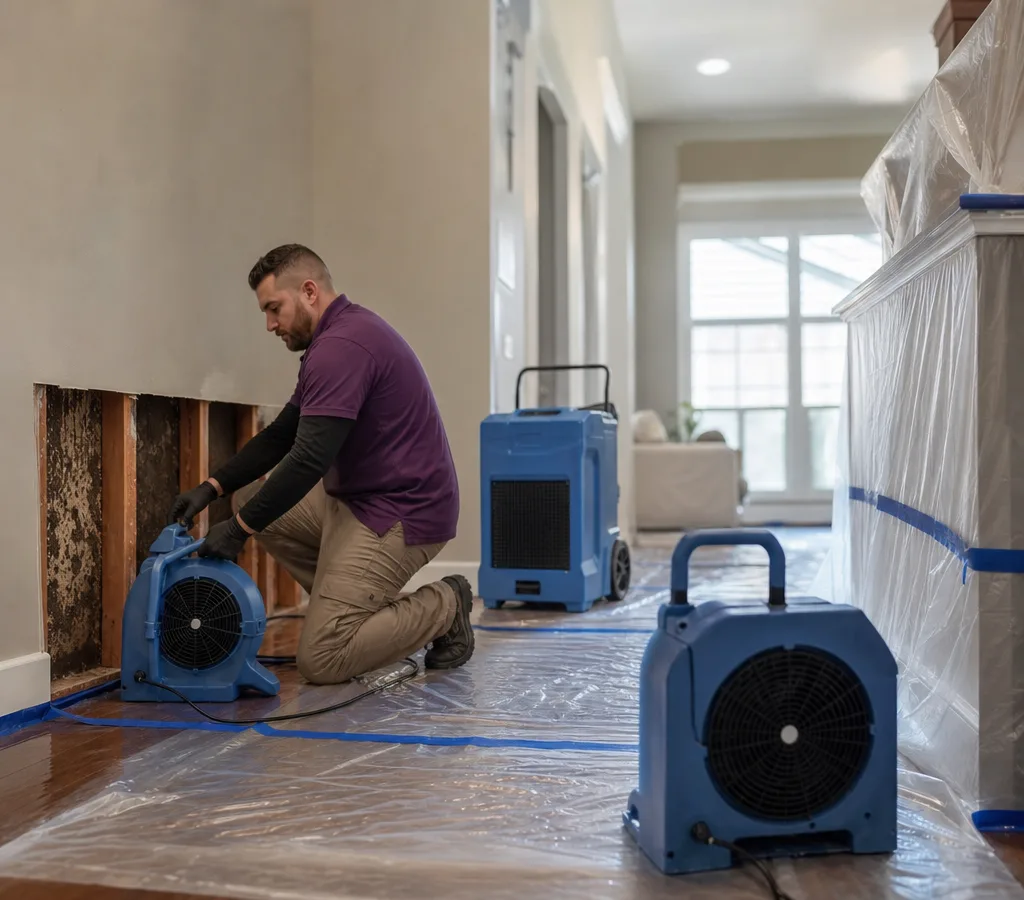
A proper water restoration job is a sequence of decisions and trade work that can include:
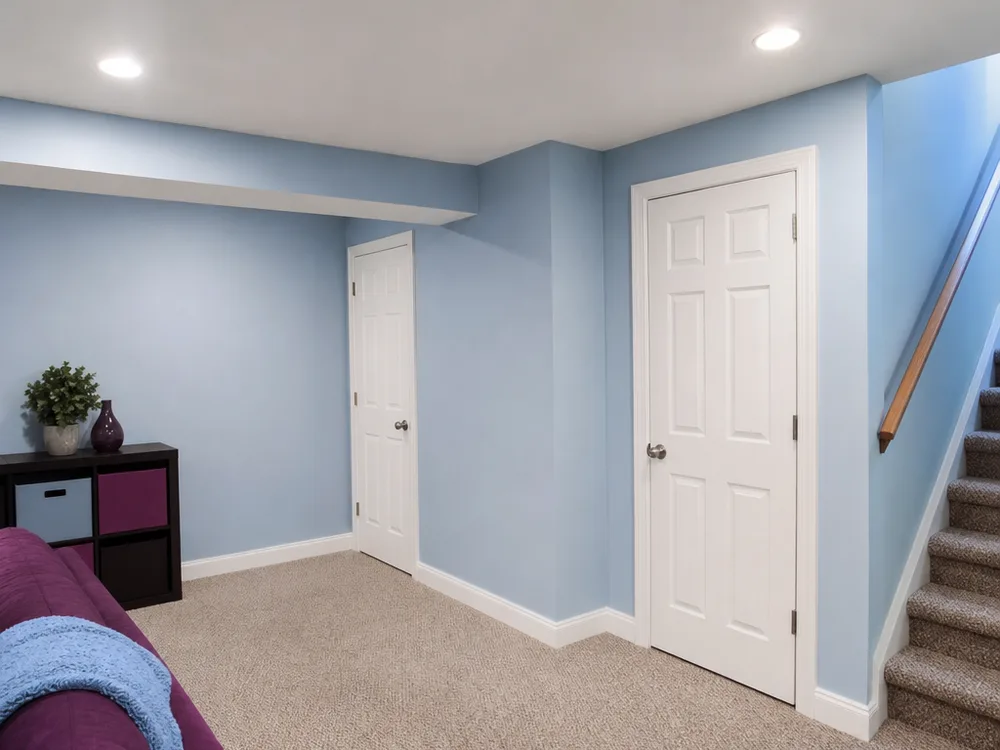
Columbus has mixed housing stock, and the restoration approach changes with it. Older homes in areas like German Village can have plaster walls and layered flooring that hold moisture differently than newer drywall and OSB assemblies. Finished basements are common across the metro, and water can move under LVP, carpet, and pad before it shows up on the surface.
We don't do the work ourselves. Mold Removal Columbus OH is a referral service. When you call, you describe what happened and what you're seeing, and we connect you with an independent local contractor who works on water damage restoration and drying.
One-call local referral
Instead of repeating the same story to multiple companies, you explain the water damage and affected rooms one time, and we route it to a contractor who handles this type of job.
You're connected with a contractor who serves Columbus and nearby communities, so you're not chasing down someone who isn't set up to work in your area.
You talk directly with the contractor, ask your questions, and decide whether to move forward based on their plan for drying, cleanup, and repairs.
Water damage can involve drying, demolition, cleaning, and rebuild planning. The goal is to connect you with a contractor who can cover the scope you actually have.
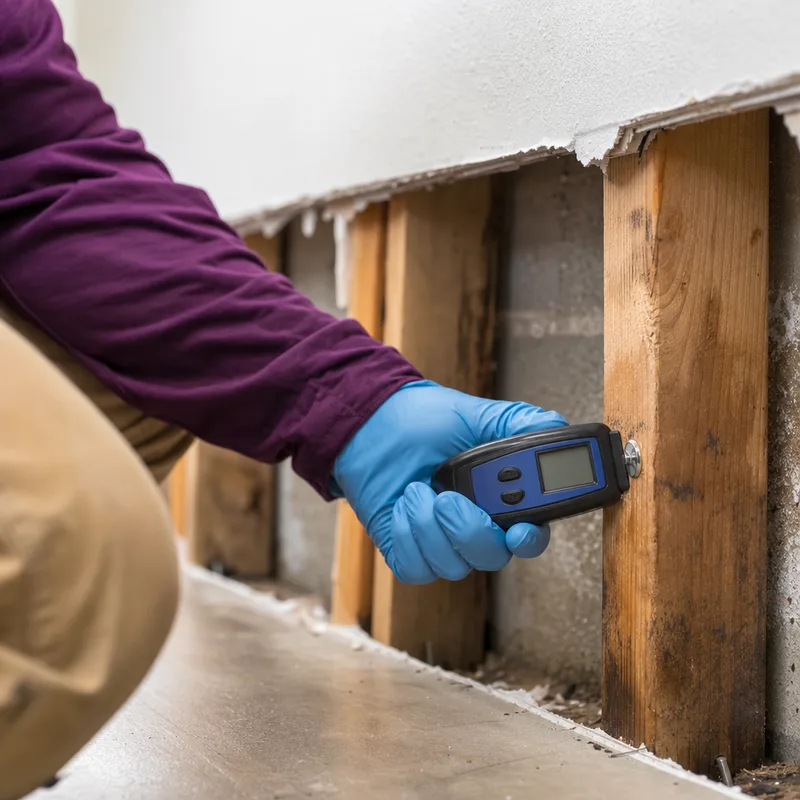
A good contractor will explain what needs to come out, what can be dried in place, how drying progress is checked, and what the repair path looks like afterward.
From one call to a practical plan
Share the source if you know it—pipe, appliance, roof, or basement seepage—when you noticed it, and which areas are wet.
Based on the details, we connect you with an independent contractor who handles water restoration and drying work in the Columbus area.
The contractor can explain their inspection approach, what materials may need removal, and how drying and cleanup are managed.
If you're comfortable with the plan, you schedule directly with the contractor. If not, you're not obligated to proceed.
If you have wet drywall, buckled flooring, a damp basement, or musty odors after a leak, describe the situation once and get connected with a Columbus-area contractor who can take it from inspection through drying and next-step repairs.
Moisture checks, managed drying and repairs
Questions before the next step
The most useful details are the water source if known, when you first noticed it, which rooms or levels are affected, and what materials got wet, such as drywall, carpet, hardwood, or cabinets. In Columbus homes with basements, also mention whether water reached the bottom of stairs, utility room, or finished walls because that changes how contractors check for hidden moisture.
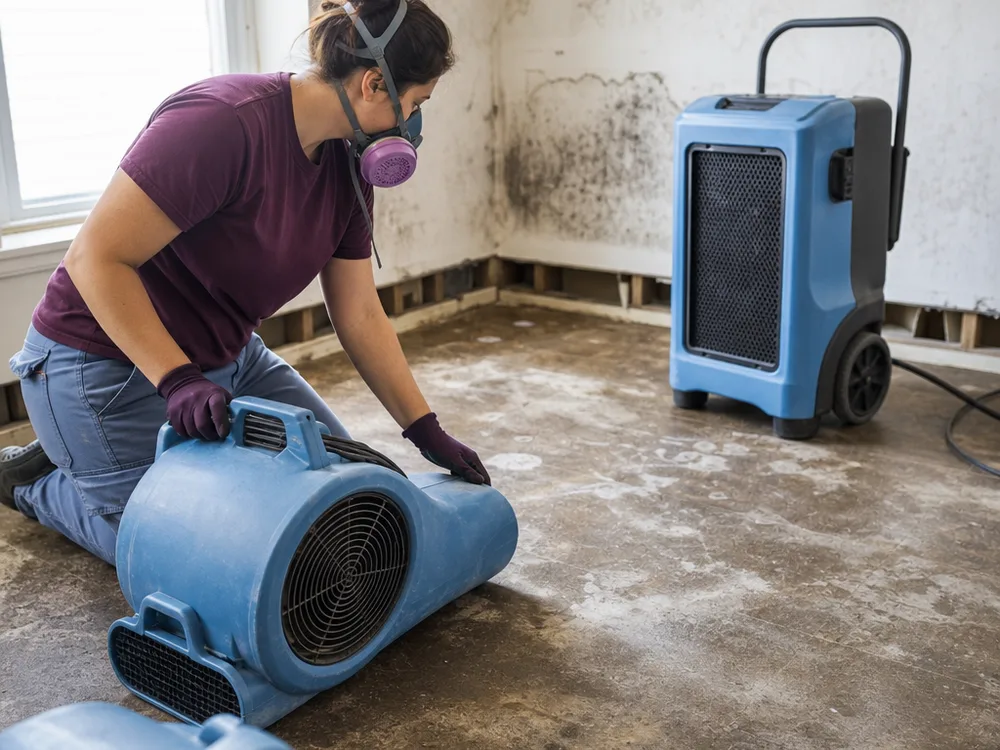
The decision is based on material type, how far water traveled, and whether moisture is trapped in a way that won't dry reliably. For example, insulation behind drywall is often removed once it's saturated, and swollen particleboard trim or cabinetry typically doesn't return to shape even if it dries.
A controlled cut opens the wall cavity so wet insulation can come out and airflow can reach damp framing. The exact cut height depends on how high moisture readings go, not a fixed rule, and the contractor should be able to show you the readings that drove the cut line.
Clean water starts from a sanitary source like a supply line, while contaminated water can involve bacteria and debris, such as sewage backup or floodwater. The category matters because it affects what materials can be saved and what cleaning and disposal steps are needed.
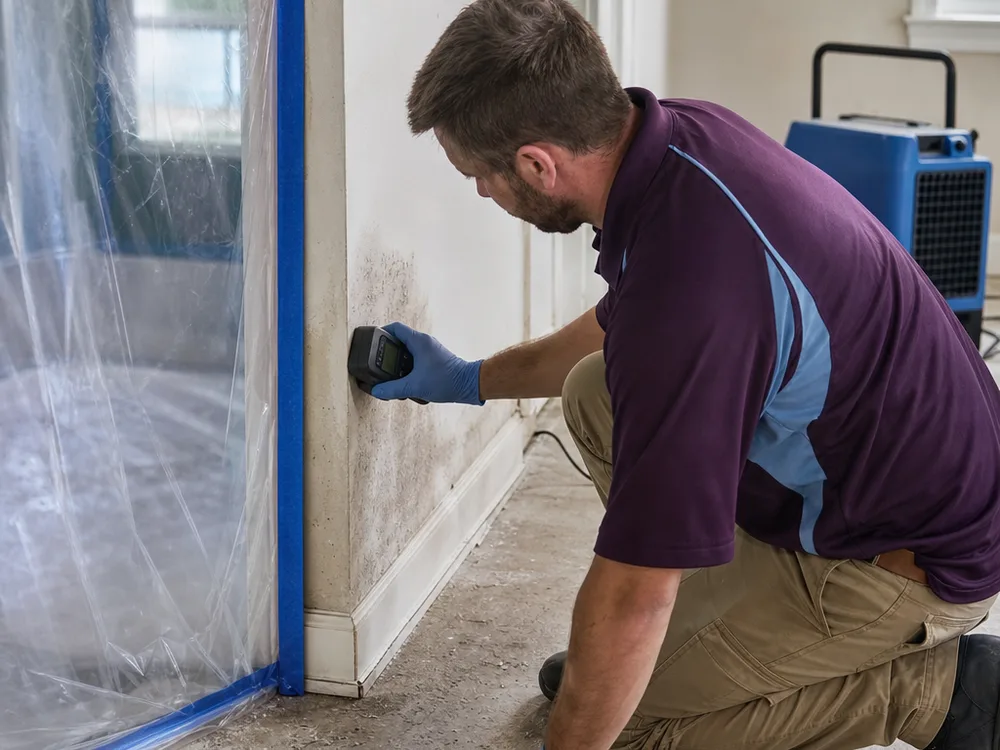
Odors often come from damp porous materials, trapped moisture under flooring, or microbial growth that begins when materials stay wet. A contractor typically checks moisture under baseboards, around door casings, and in low spots where water collects, then recommends drying and cleaning steps based on what's still wet.
Avoid closing up wet areas or covering them with rugs, furniture, or plastic that traps moisture. If you've pulled up flooring or removed baseboards, keep the pieces and note where they came from because it helps the contractor plan repairs and understand how water traveled.
It can, depending on how long materials stayed wet and what is found during inspection. If mold is present or likely, the contractor may recommend containment, removal of affected materials, and specialized cleaning; for more mold-focused situations, some homeowners start by getting connected for mold removal in Columbus.
One call starts the conversation
Pick up the phone and describe what happened, what rooms are affected, and what you've already done. We'll connect you with a local Columbus-area contractor who handles water restoration and can walk you through drying, cleanup, and the repair path.