✓
Describe the job once
Explain where the mold is, what caused the moisture, and what you've noticed. We use that to connect you with a local contractor who handles mold remediation work like yours.
Serving Columbus, Ohio & surrounding areas
Calls answered around the clock
Mold remediation service · Columbus, Ohio
Describe what you're seeing once and we'll connect you with a local contractor in the Columbus area who handles containment, cleanup, and moisture fixes for mold problems.
Containment, cleanup and moisture control
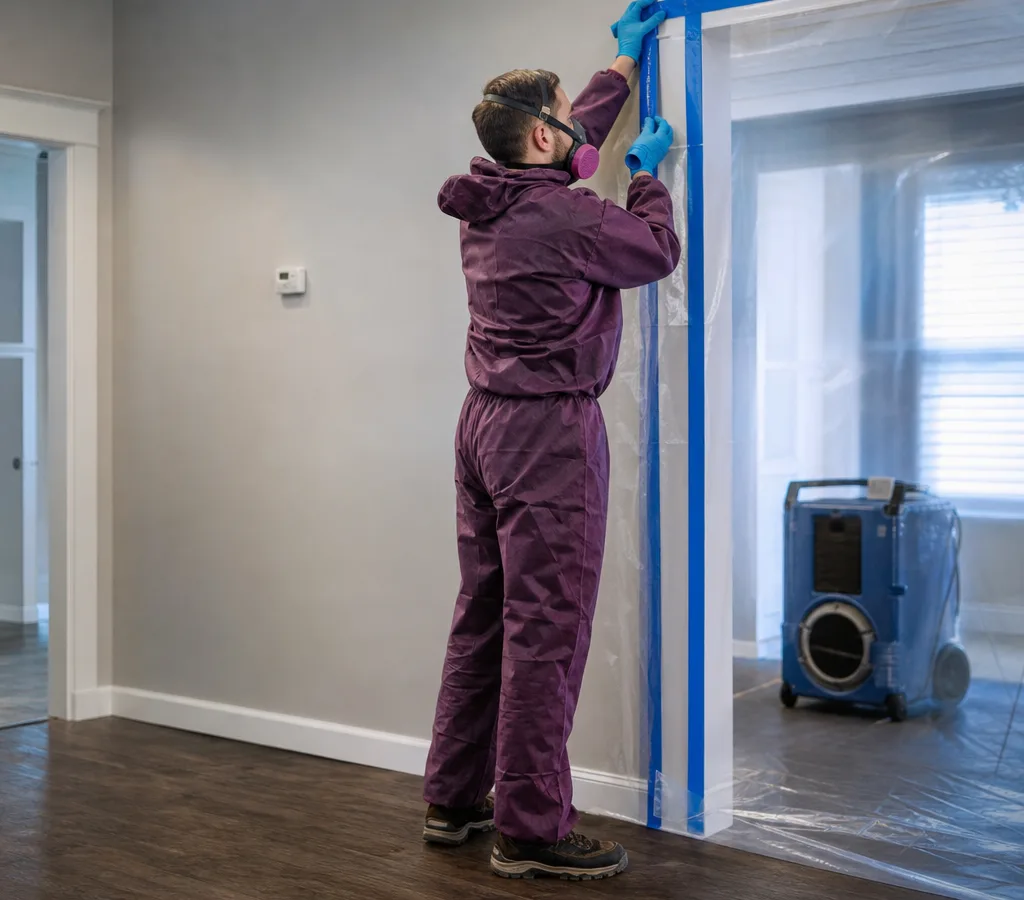
If you're searching for mold remediation Columbus Ohio, you're usually dealing with one of two situations: visible growth after a leak or flood, or a persistent musty odor tied to hidden moisture. Remediation is the process a contractor uses to stop the source, keep spores from spreading, remove contaminated material when needed, and clean remaining surfaces so the area can be safely rebuilt or put back into use.
Not sure this is the right service? The Columbus mold removal overview explains how inspection, containment and cleanup fit together, and the same number reaches us either way.
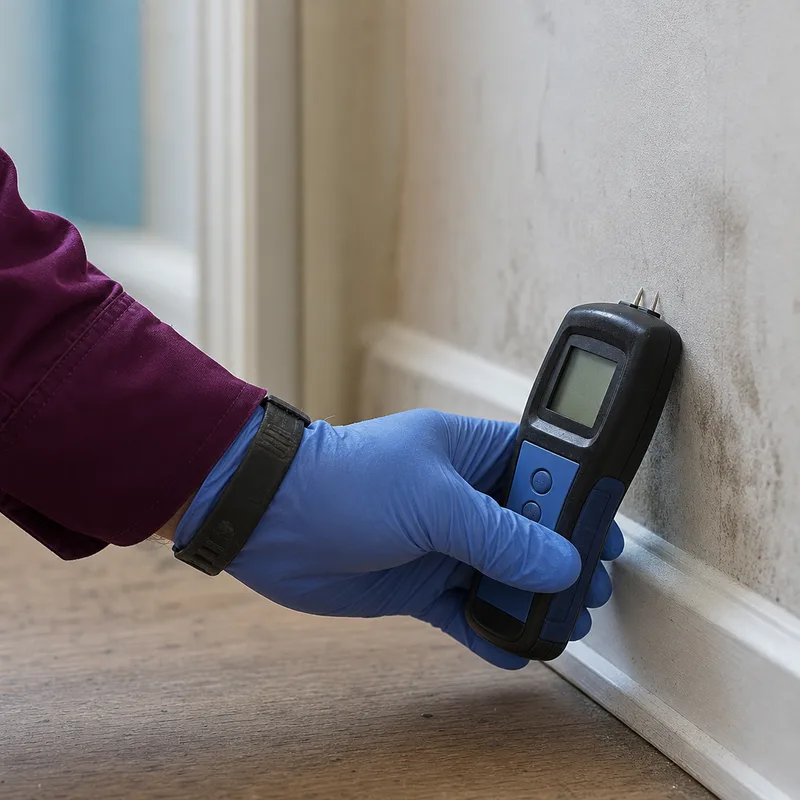
A mold remediation contractor typically starts by narrowing down what's wet and why. In Columbus, the problem often traces back to basement dampness, a bathroom vent that doesn't exhaust outside, a roof or window leak, or a plumbing issue inside a wall. Some homes also get moisture issues in crawl spaces or around rim joists.
A thorough mold remediation job commonly includes:
The biggest difference between mold remediation and spraying something on it is containment and moisture control. A surface treatment without fixing the wet condition or addressing contaminated porous materials can leave the underlying problem in place.
If you also need someone to handle the broader category of odor, smoke, or water-related cleanup, start with mold removal in Columbus and describe what happened and what areas are affected.
One-call local referral
Explain where the mold is, what caused the moisture, and what you've noticed. We use that to connect you with a local contractor who handles mold remediation work like yours.
Mold problems often need an on-site look because the source is tied to the building. We connect you with contractors who serve Columbus and nearby communities.
You talk directly with the contractor about scope, methods, and scheduling, and you decide whether to move forward.
Containment, filtration, removal of damaged porous materials, cleaning, and drying are usually the core of the plan, not just a wipe-down.
If the issue is behind drywall, under flooring, or in an attic, the right contractor can explain what needs to be opened up and how the area is kept isolated during the work.
From call to a practical plan
Share the area involved, what you can see or smell, and any recent leak, plumbing issue, or flooding.
We match your situation to an independent contractor who handles mold remediation in Columbus and can discuss likely next steps.
The contractor evaluates the moisture source and affected materials, explains containment and cleanup, then discusses drying, repairs, and finishing work with you.
The contractor outlines what areas will be isolated, what materials may be removed, how cleaning is done, and what needs to change so moisture doesn't keep feeding growth.
After the affected area is cleaned and dry, you can discuss what repairs or finishing work are needed to put the space back together.
If you're dealing with staining, musty odors, or water damage that won't dry out, a short phone call is usually enough to get connected with a Columbus-area contractor who can take a closer look.
Containment, moisture checks and cleaned materials
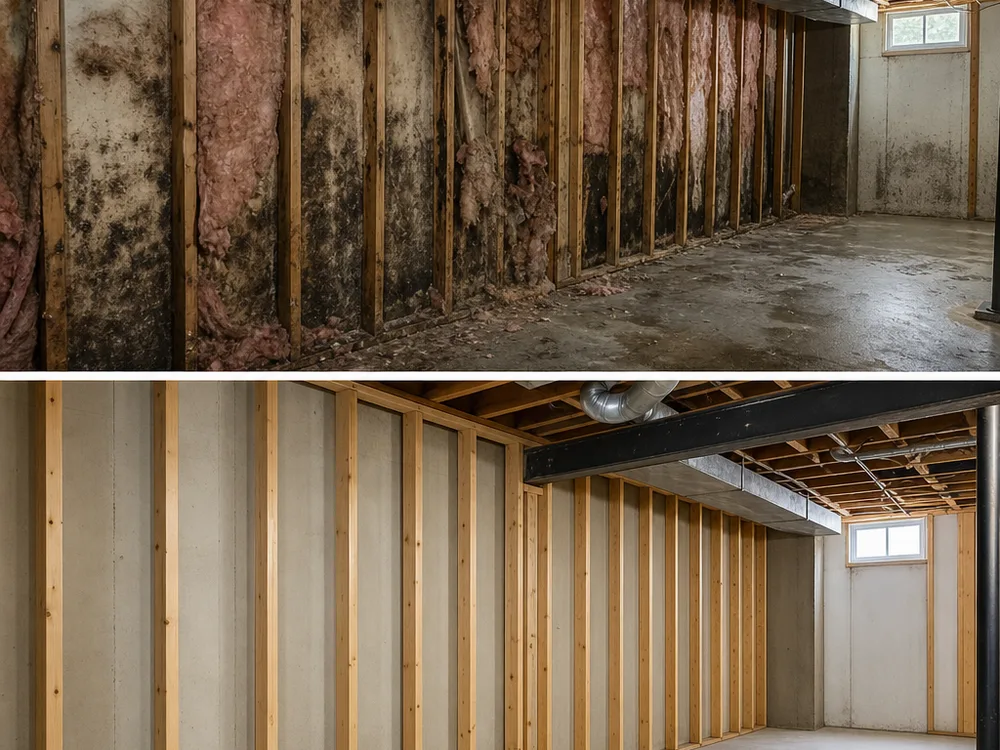
One call simplifies the next step
The contractor can discuss the moisture source, affected materials, containment needs, and cleanup plan with you. You ask questions and decide what happens next.
Common questions
The most helpful details are where the problem is, what you see or smell, and what you think caused it. If possible, note roughly how large the affected area is and whether any building materials feel soft, swollen, or damp.
The decision usually comes down to whether the material is porous and how deeply it's affected. Drywall, insulation, carpet pad, and many ceiling materials can hold growth within the material and often need removal, while non-porous materials may be cleaned using HEPA vacuuming and damp wiping.
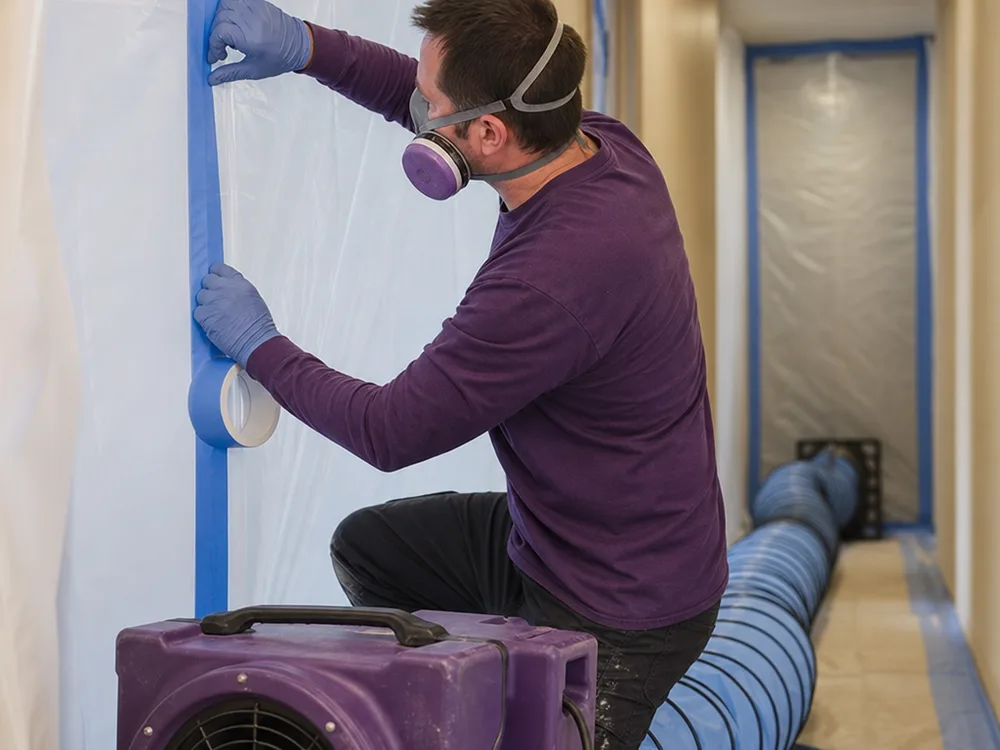
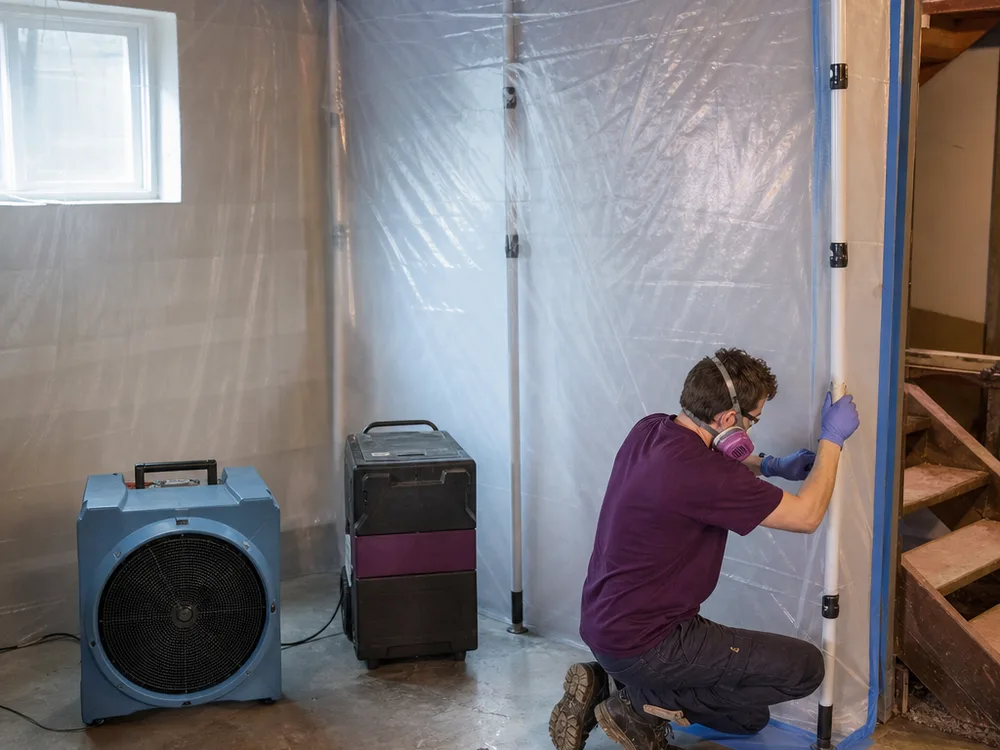
For many jobs, yes. A contractor may build containment with plastic sheeting and use negative air with HEPA filtration to keep disturbed spores from traveling. The amount of containment depends on where the growth is and how invasive the removal needs to be.
A contractor commonly looks for damp foundation walls, seepage after rain, plumbing leaks, sump or drainage issues, and humidity problems. In older Columbus housing stock, finished walls or paneling can conceal moisture, so finding the source matters as much as addressing visible staining.
Mold can return if the moisture condition isn't corrected. Remediation should therefore include a plan for drying and for fixing the leak, ventilation issue, or humidity problem that fed the growth.
Not always. Many situations can be addressed based on visible growth and confirmed moisture. Some homeowners choose testing when symptoms are vague or when they want extra documentation, but the contractor can explain whether testing changes the plan in your situation.
Expect a contained work zone, equipment such as air filtration and dehumidification, and some disruption if affected drywall or flooring needs removal. The contractor should explain how the area will be isolated, how debris is bagged out, and what stays off-limits until the space is clean and dry.
Ask how they plan to control dust and spores, what materials might need removal, and how they'll confirm the area is dry enough to rebuild. A clear answer should include containment, HEPA filtration, cleaning steps, and a moisture-cause fix, not only a surface treatment.
One call starts the conversation
Call Mold Removal Columbus OH, describe the situation once, and get connected with a local contractor who handles mold remediation in the Columbus area. You'll speak with the contractor directly, ask your questions, and decide what happens next.