✓
A clear testing plan
The contractor should explain what question the testing is meant to answer and which sample types fit that goal—air, surface, or both.
Serving Columbus, Ohio & surrounding areas
Calls answered around the clock
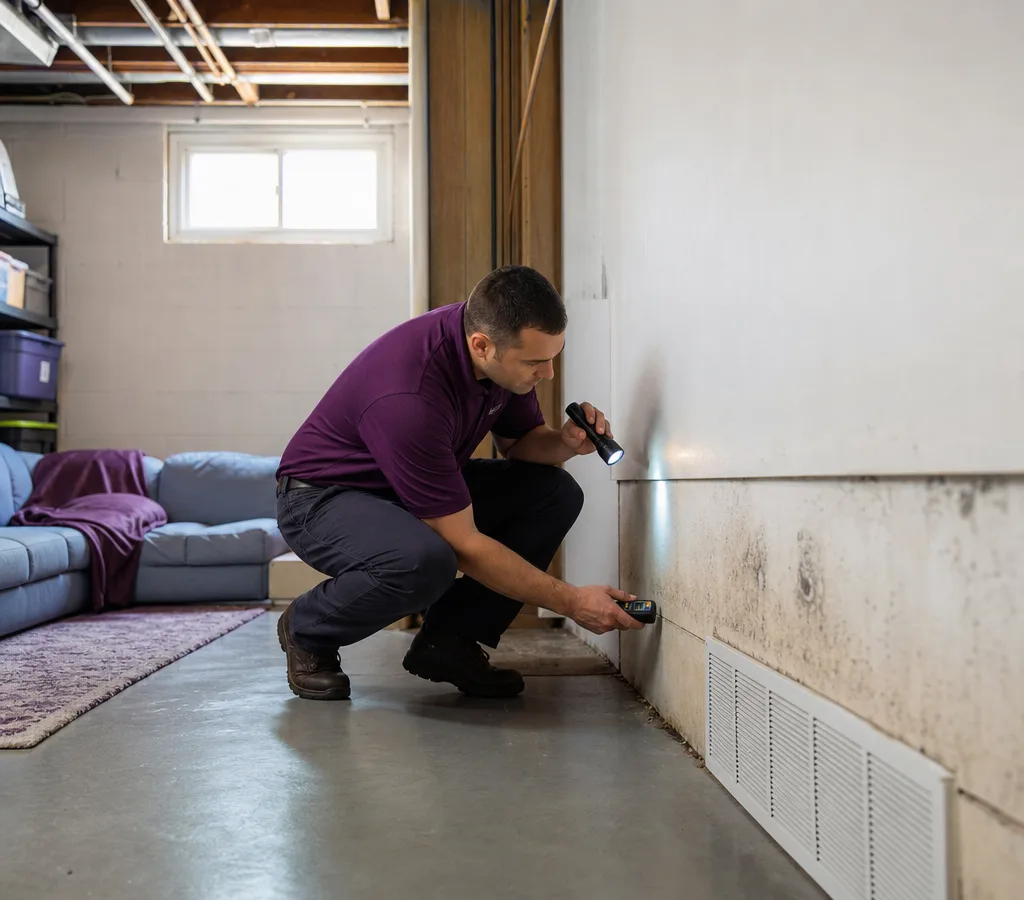
Mold testing service · Columbus, Ohio
Describe what you're seeing once and we'll connect you with a local contractor who handles mold testing for homes, rentals, and real estate decisions.
Inspection, sampling and clear findings
If you're searching for mold testing Columbus Ohio, you usually want one of two things: confirmation that mold is present and where, or documentation you can use to make a clear decision about next steps.
Not sure this is the right service? The Columbus mold removal overview explains how inspection, containment and cleanup fit together, and the same number reaches us either way.
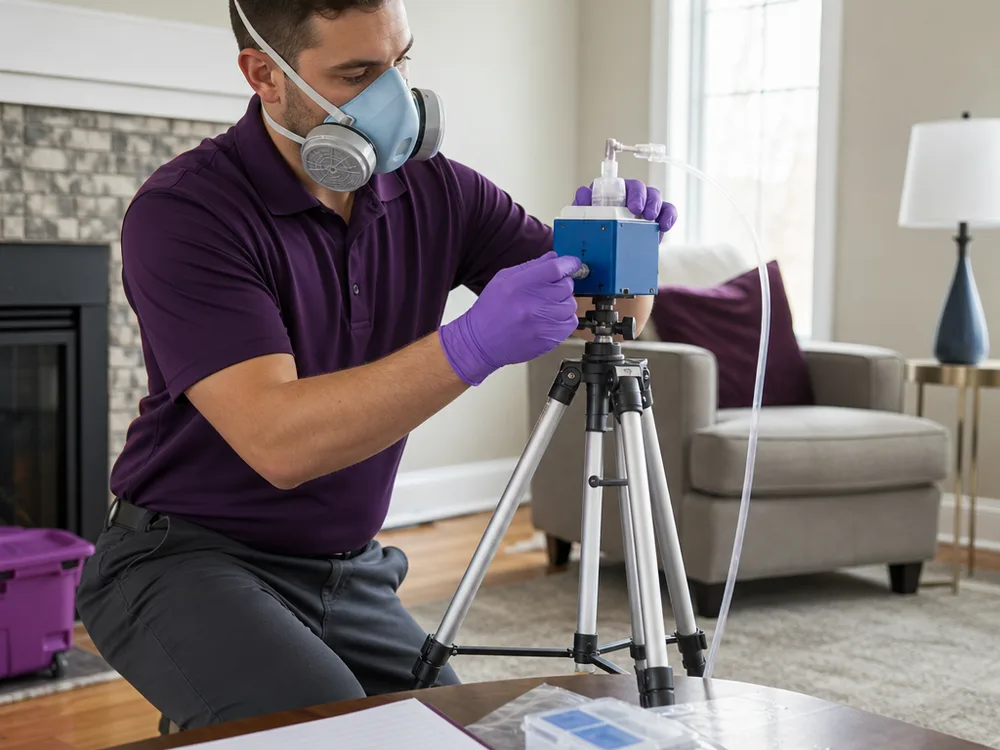
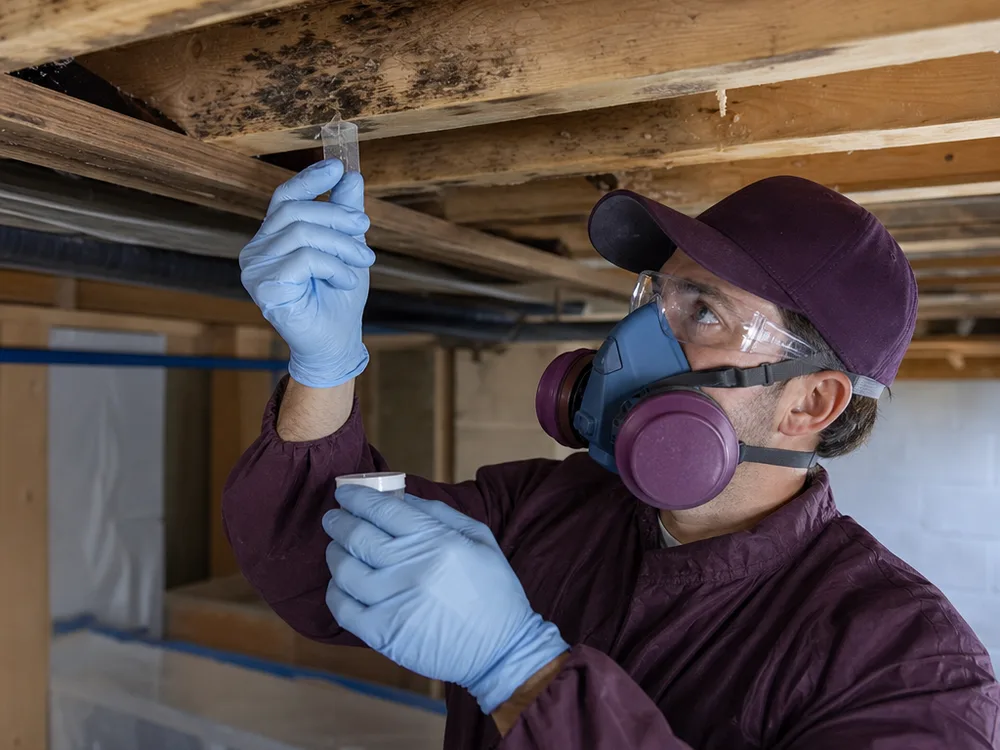
Mold testing is a set of sampling and inspection steps a contractor uses to understand what's going on indoors. It can include:
Testing is especially helpful when the situation is unclear. Examples include:
A contractor can also explain when testing is not the first move. If there is visible mold growth on building materials, the immediate priority is often to identify the moisture source and plan proper containment and cleanup. Testing can still play a role, but it should answer a specific question, such as what areas to include in a scope or whether adjacent rooms show elevated airborne spores.
Findings you can use
The contractor should explain what question the testing is meant to answer and which sample types fit that goal—air, surface, or both.
Mold follows water. Expect attention to leaks, condensation, humidity, and wet building materials, not just what's visible on the surface.
Sampling locations should be chosen based on symptoms, odors, staining, and airflow patterns, not random spots.
Results should translate into actions: what areas to address, what materials may need removal, and what to correct so the issue doesn't repeat.
Many Columbus homeowners use testing to support decisions in rentals, disclosures, negotiations, and post-repair verification.
From concern to clear findings
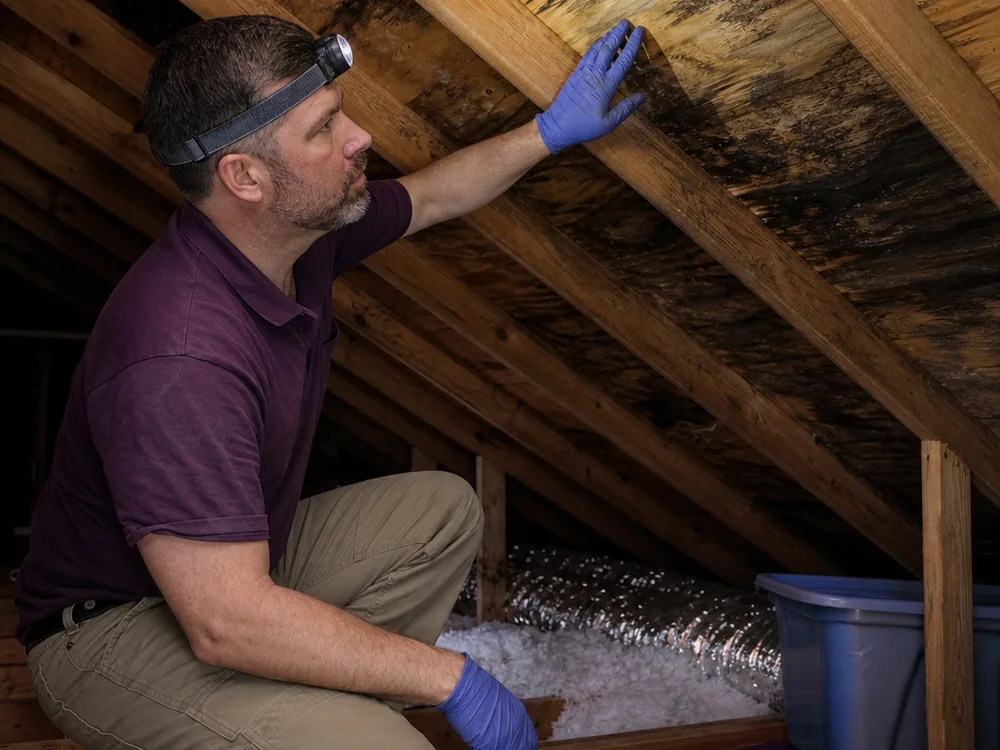
Share what you see or smell, where it's happening, whether there was a leak, and what parts of the home are affected—such as the basement, bathroom, attic, or HVAC area.
Mold Removal Columbus OH connects you with an independent contractor in the Columbus area who handles mold testing and assessment work.
You'll discuss sample types, likely sampling locations, and what preparation matters, such as keeping windows closed for a period before air sampling if requested.
The contractor reviews what the inspection and samples show and talks through options. If additional work is needed, you decide whether to proceed.
If you're trying to make a confident decision about indoor air and surface conditions, describe the property once and get connected with a Columbus-area contractor who can run the right mold testing for your situation.
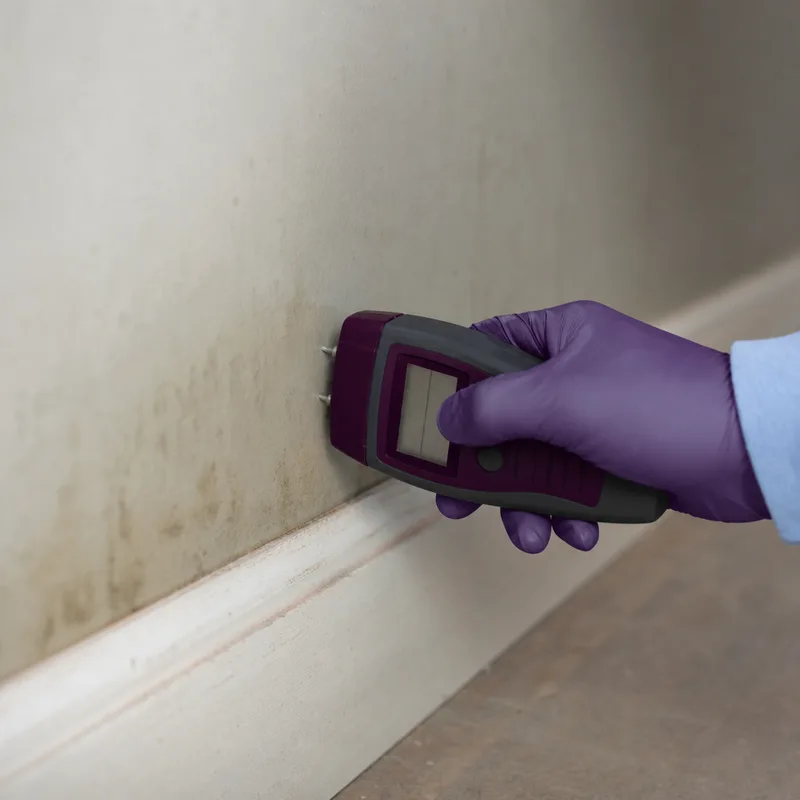
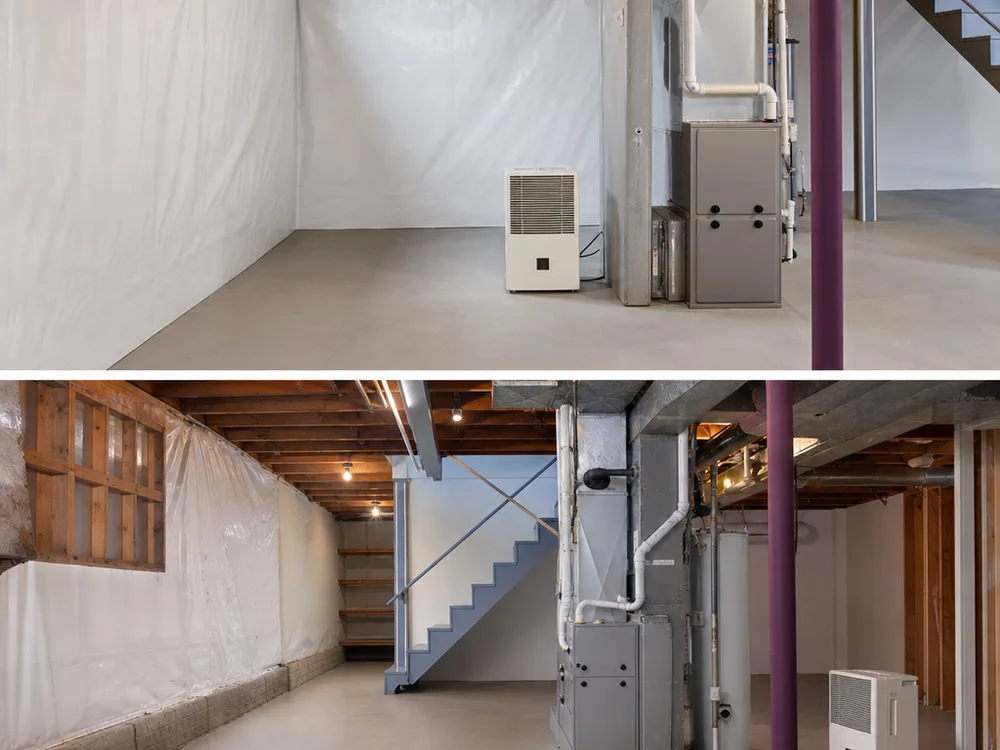
Moisture checks, inspection and sampling
One call simplifies the next step
Common questions
The right sampling depends on what you're trying to confirm. Air sampling can help when you suspect a hidden issue, such as a musty odor or symptoms without visible growth, while surface sampling helps identify what's on a specific spot you can see. A contractor can recommend a plan after hearing where the concern is and whether there was recent water intrusion.
Have the address, the areas of concern, when you first noticed it, and any recent water events ready to share. It also helps to note whether the home has a basement or crawlspace, whether you run a dehumidifier, and whether the HVAC system has had any condensation or drain issues.
A competent mold testing visit includes a moisture-focused inspection because mold growth is a symptom of a water or humidity problem. Expect questions about plumbing leaks, roof leaks, basement seepage, bathroom ventilation, and condensation on ducts or windows, especially during humid Ohio summers.
Most testing and inspection work can be done while you're home, since it's typically visual inspection plus non-destructive measurements and sampling. The contractor can tell you what to expect if any area needs limited access, such as an attic hatch, crawlspace entry, or space behind stored items.
Testing results are used to document what was found, where it was found, and what conditions likely contributed to it. In real estate, that can support negotiation or clarify what work a buyer may request; in rentals, it can document conditions in specific rooms and help guide a scope if remediation is needed.
Post-work testing is sometimes used to check whether airborne spore levels have returned to a normal range and whether impacted areas are dry. Whether it makes sense depends on the extent of the issue, the areas affected, and how the work was performed, which is something to discuss directly with the contractor handling your job.
One call starts the conversation
Explain what you're noticing and what type of property it is, and we'll connect you with a local Columbus-area contractor who can handle mold testing and walk you through what the findings mean.