✓
One description, one connection
Explain the odor, staining, past leaks, and what's finished versus unfinished, and we connect you with a local contractor who handles basement mold work.
Serving Columbus, Ohio & surrounding areas
Calls answered around the clock
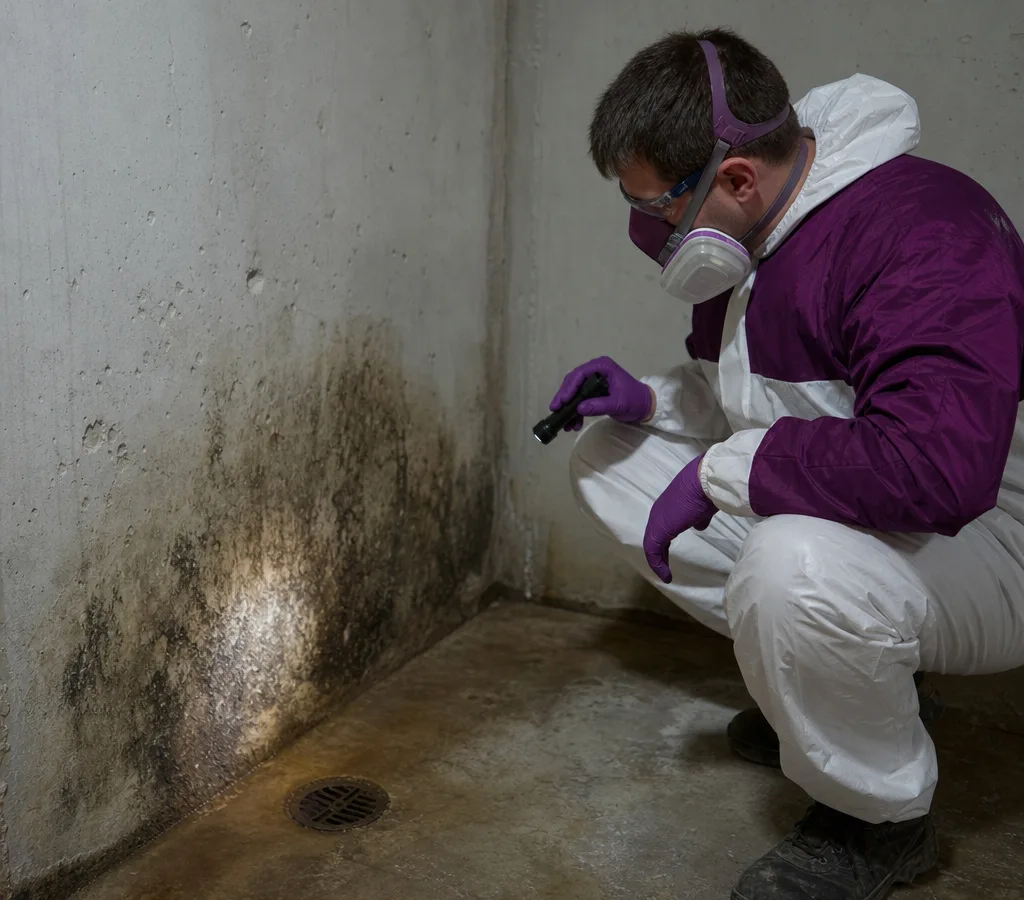
Basement mold removal · Columbus, Ohio
Describe what you're seeing once and we'll connect you with a local contractor who handles basement mold cleanup and moisture control in Columbus-area homes.
Cleanup, containment and moisture control
If you're searching for basement mold removal in Columbus, the goal is twofold: remove existing growth safely and reduce the moisture conditions that let it return. Basements in Central Ohio often deal with damp air, seasonal humidity, and water entry through foundation walls or around windows. Mold can take hold on drywall, wood framing, carpet tack strips, insulation, stored cardboard, and even dust settled on concrete.
Not sure this is the right service? The Columbus mold removal overview explains how inspection, containment and cleanup fit together, and the same number reaches us either way.
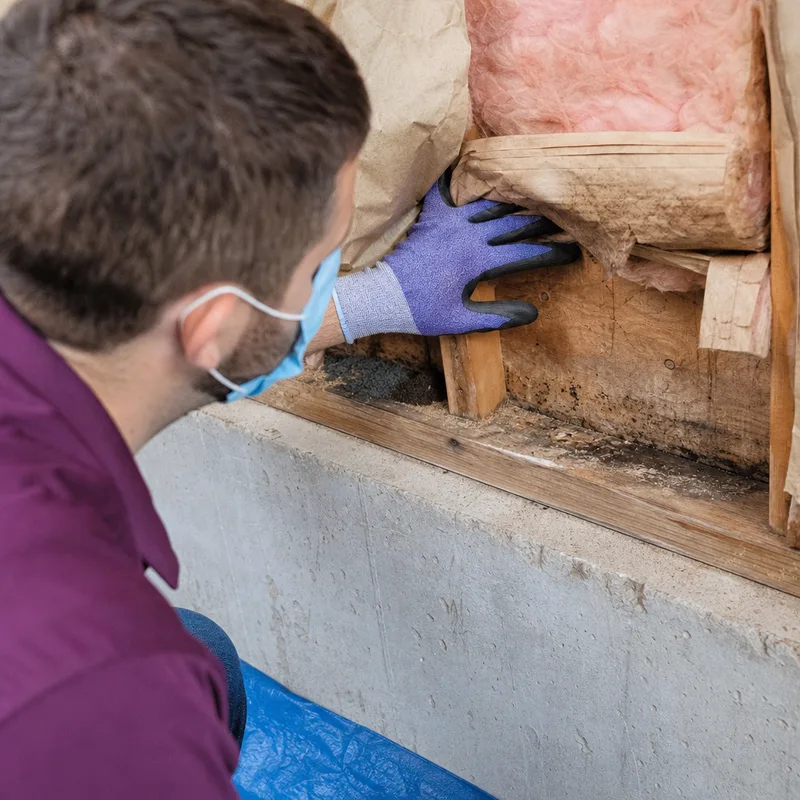
A local contractor will typically start by identifying what's actually present. Not every dark spot is mold, and not every musty smell points to a single location. Basements also hide moisture sources behind finished walls, under flooring, and inside rim joist areas.
Basement mold removal commonly includes:
For this service, the next step is a phone call where you describe the basement conditions once, then you're connected with a Columbus-area contractor who can evaluate the situation directly.
One-call local referral
Explain the odor, staining, past leaks, and what's finished versus unfinished, and we connect you with a local contractor who handles basement mold work.
Basement conditions vary across Columbus housing types, from older finished basements to newer builds with tight envelopes and condensation issues. The contractor can size the approach to your setup.
The contractor explains what they found, what they recommend, and what the next steps are. You decide whether to move forward.
Some situations are small and surface-level; others involve removing finished materials or tracing water entry. A focused referral helps avoid mismatched bids.
Ask what will be removed versus cleaned, how containment will be set up, and what needs to be done about moisture so you're not guessing about the plan.
From one call to your decision
Share where the mold appears, whether the basement is finished, and whether there has been a leak, rain seepage, or a plumbing issue.
You're connected with an independent contractor who serves the Columbus area and takes on basement mold removal projects.
The contractor explains what they need to check, including hidden cavities, humidity, and visible water paths along walls or windows.
Hear what may need removal, how containment would work, and which moisture controls make sense. You coordinate directly if you choose to proceed.
If the basement smells musty or you're seeing growth on walls, joists, or stored items, one call can connect you with a Columbus-area contractor who can look closer and explain your options.
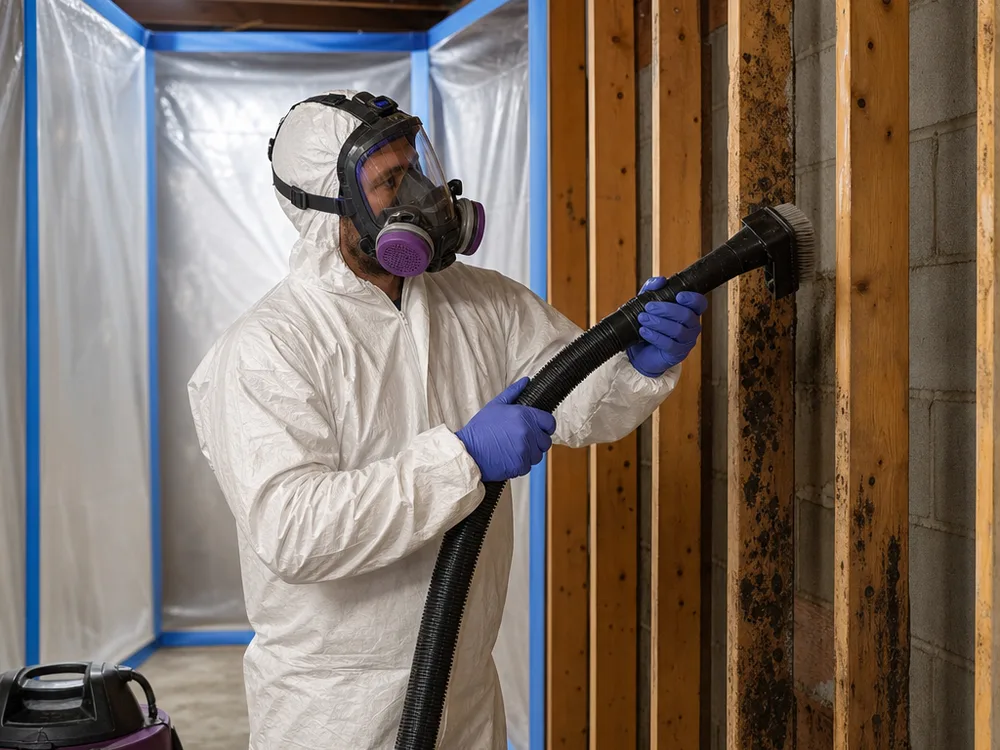
Affected materials, cleanup and drying
One call simplifies the next step
Describe the visible growth, musty odor, recurring dampness, and any known water history. A local contractor can discuss the affected materials, containment needs, and moisture-control options directly with you.
Common questions
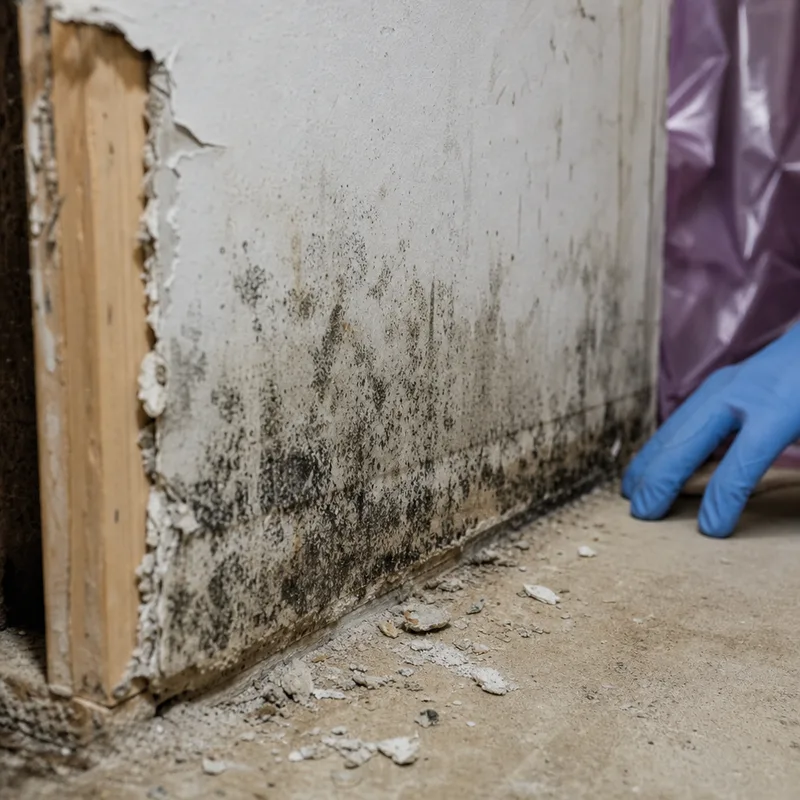
If growth is on porous materials such as drywall, insulation, carpet, or cardboard, or keeps returning after wiping, it usually needs a removal plan rather than simple surface cleaning. A contractor will consider the staining, material condition, and whether moisture remains.
Note where you see it, the approximate affected area, whether the basement is finished, and what may have started it. Mention flooding, remodeling, rain seepage, sump issues, plumbing leaks, or stored items that became damp.
Sometimes, because mold can grow behind drywall or under flooring where moisture becomes trapped. If odor or staining is strongest along a finished wall, around windows, or near a bottom plate, limited removal may be recommended to inspect and address hidden growth.
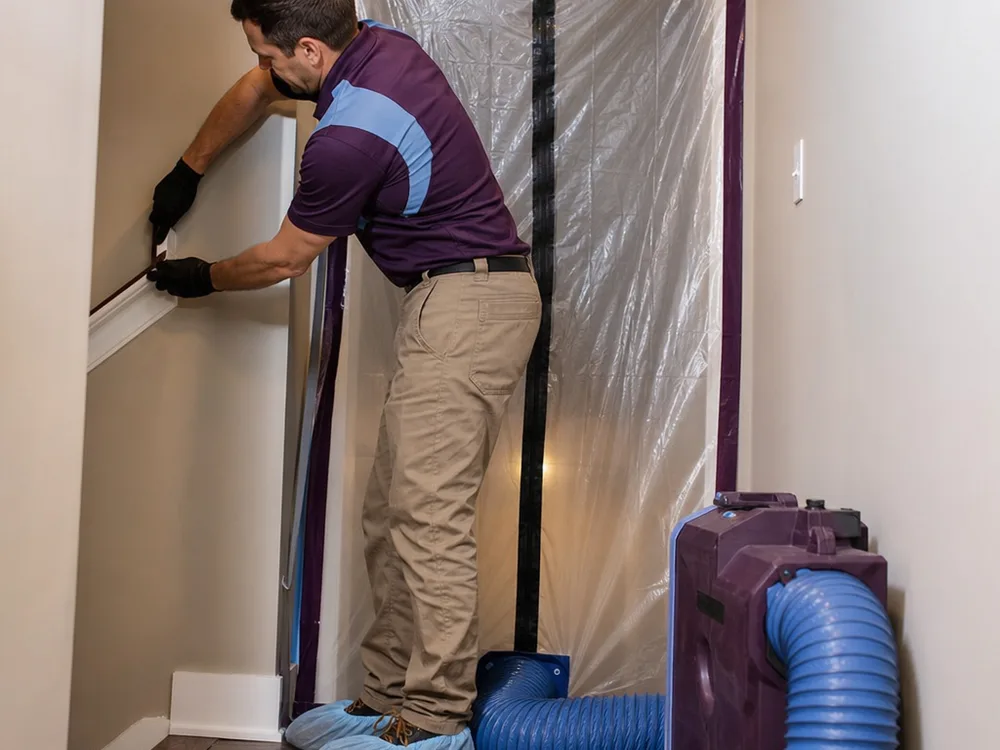
Containment uses barriers and airflow controls to help keep dust and spores from moving into other parts of the home. This may include sealing stair openings or doorways with plastic and using filtration equipment selected for the basement layout and scope.
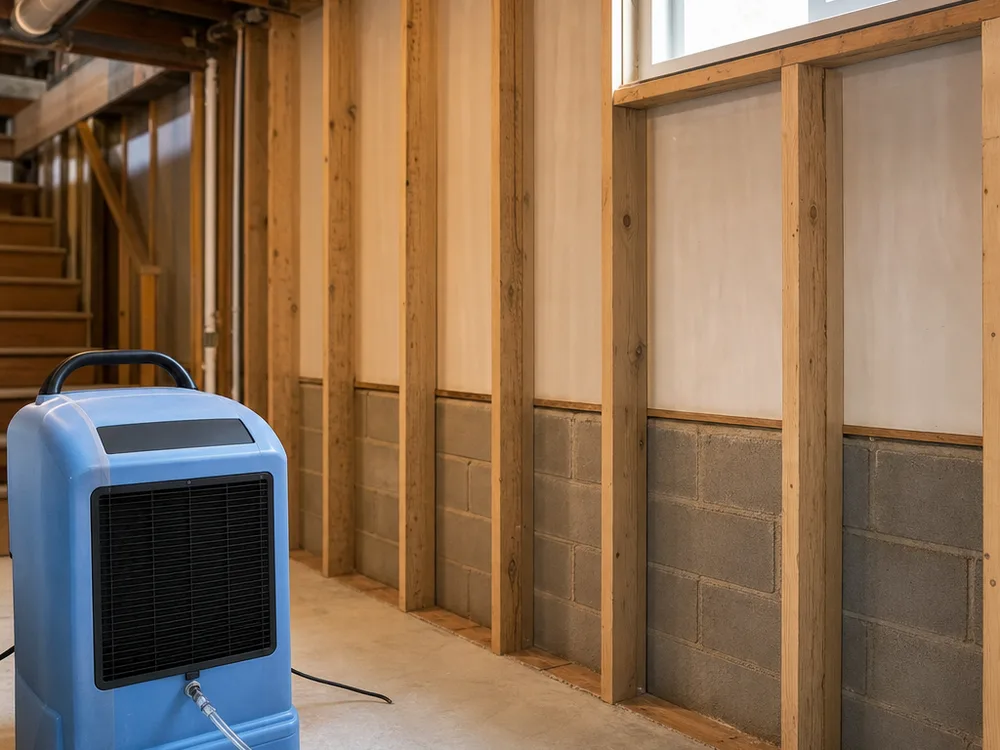
A dehumidifier can help control humidity, but it does not remove mold already growing in materials. It may be one part of prevention after cleanup, together with addressing water entry, condensation, and damp foundation areas.
Yes. Unfinished basements often provide easier access to concrete and framing. Finished basements can conceal wet materials and may require selective demolition to reach affected drywall, insulation, or flooring before cleaning and drying.
Prevention centers on moisture control: keeping bulk water out, reducing humidity, and avoiding materials that remain damp. Possible measures include improving drainage, checking sump discharge, sealing entry points, insulating cold surfaces, and using appropriate dehumidification.
You'll speak directly with the contractor about what you're seeing and what they can evaluate onsite. The contractor explains their approach, and if you want to proceed, you coordinate scheduling and scope directly while making the final decision.
One call starts the conversation
If you're dealing with a musty smell, visible growth, or recurring dampness, describe the situation once and we'll connect you with a local Columbus, Ohio contractor who handles basement mold removal and can explain the next steps.